Technology, examined.

What’s New
-
Google Cloud introduces a universal Gemini agent for cross-application work
Google Cloud introduces a universal Gemini agent for cross-application work, bringing persistent execution, coding, analytics and enterprise controls into a…
-

Automation Anywhere agrees to acquire Boost.ai to link conversational AI with enterprise work
Automation Anywhere has agreed to acquire Boost.ai from Nordic Capital, planning to connect conversational and voice AI with enterprise workflow…
-

GE HealthCare announces AI-enabled LOGIQ Focus general imaging ultrasound
GE HealthCare announces LOGIQ Focus with AI-enabled anatomy presets, automated measurements and imaging workflow tools, backed by FDA clearance and…
-

Microsoft details agent identities and adaptive permissions in Project Perception
Microsoft expands Project Perception with new agent identities, dynamic permissions and risk-based access controls, while the security platform remains in…
-

Snowflake Cortex AI Gateway introduces governed end-to-end agent traces
Snowflake details governed agent tracing through Cortex AI Gateway, combining model and MCP tool activity in Snowflake with role-controlled access…
Most Read
-
 What an enterprise AI gateway sees that the model never does
Enterprise AI gateway request lifecycle shows what happens around a model call before the model sees a token and after it returns a response. It trace…
-
 One Enterprise Process Can Need RPA, a Workflow Engine and an AI Agent
An RPA workflow AI agent control model separates predictable execution, durable process state and context-driven decisions. See how robots, workflow e…
-
 Who can stop an agent after it starts acting?
AI agent runtime stop controls must reach beyond the reasoning loop once an agent starts acting. See how tool calls, identities, queues, child workflo…
-
 An Agent’s Memory Can Outlive the Permission That Created It
AI agent memory permission expiry creates a gap between source access and persistent memory. Learn how authorization lineage, recall eligibility and r…
-
 Rolling Back an AI Deployment Does Not Undo the Actions It Already Took
AI deployment rollback can restore the previous production version without undoing purchase orders, messages, approvals or other actions already commi…
Editor’s Pick of the Day
-
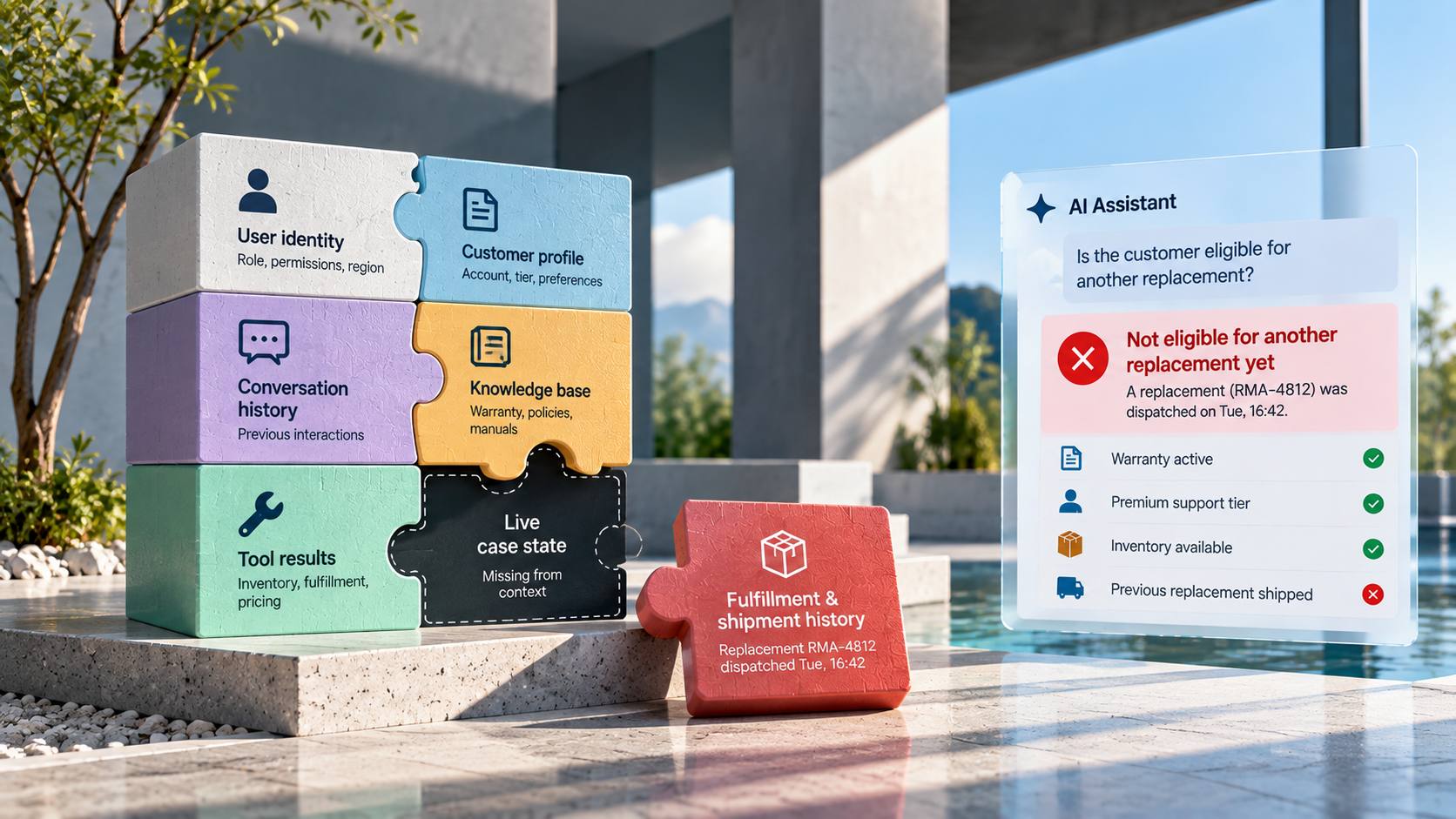
When context engineering becomes application architecture
Enterprise context engineering architecture turns context assembly into a governed application subsystem. See how required state, retrieved evidence, memory lifetimes, compaction and context testing determine…
Partner with aiautomatein
Sponsored placements, banners and content opportunities
Trending
 What an enterprise AI gateway sees that the model never does
Enterprise AI gateway request lifecycle shows what happens around a model call before the model sees a token and after it returns a response …
 Who can stop an agent after it starts acting?
AI agent runtime stop controls must reach beyond the reasoning loop once an agent starts acting. See how tool calls, identities, queues, child workflows …
 Rolling Back an AI Deployment Does Not Undo the Actions It Already Took
AI deployment rollback can restore the previous production version without undoing purchase orders, messages, approvals or other actions already committed. See how action windows …
 An Agent’s Memory Can Outlive the Permission That Created It
AI agent memory permission expiry creates a gap between source access and persistent memory. Learn how authorization lineage, recall eligibility and retention controls can …
 MCP and A2A Enterprise Interoperability: Connecting Tools, Agents and Trust Domains
MCP A2A enterprise interoperability lets one business task move across tools, agents and trust domains without assuming shared authority. See how discovery, credentials, identity …
Enterprise AI Watch



Domains
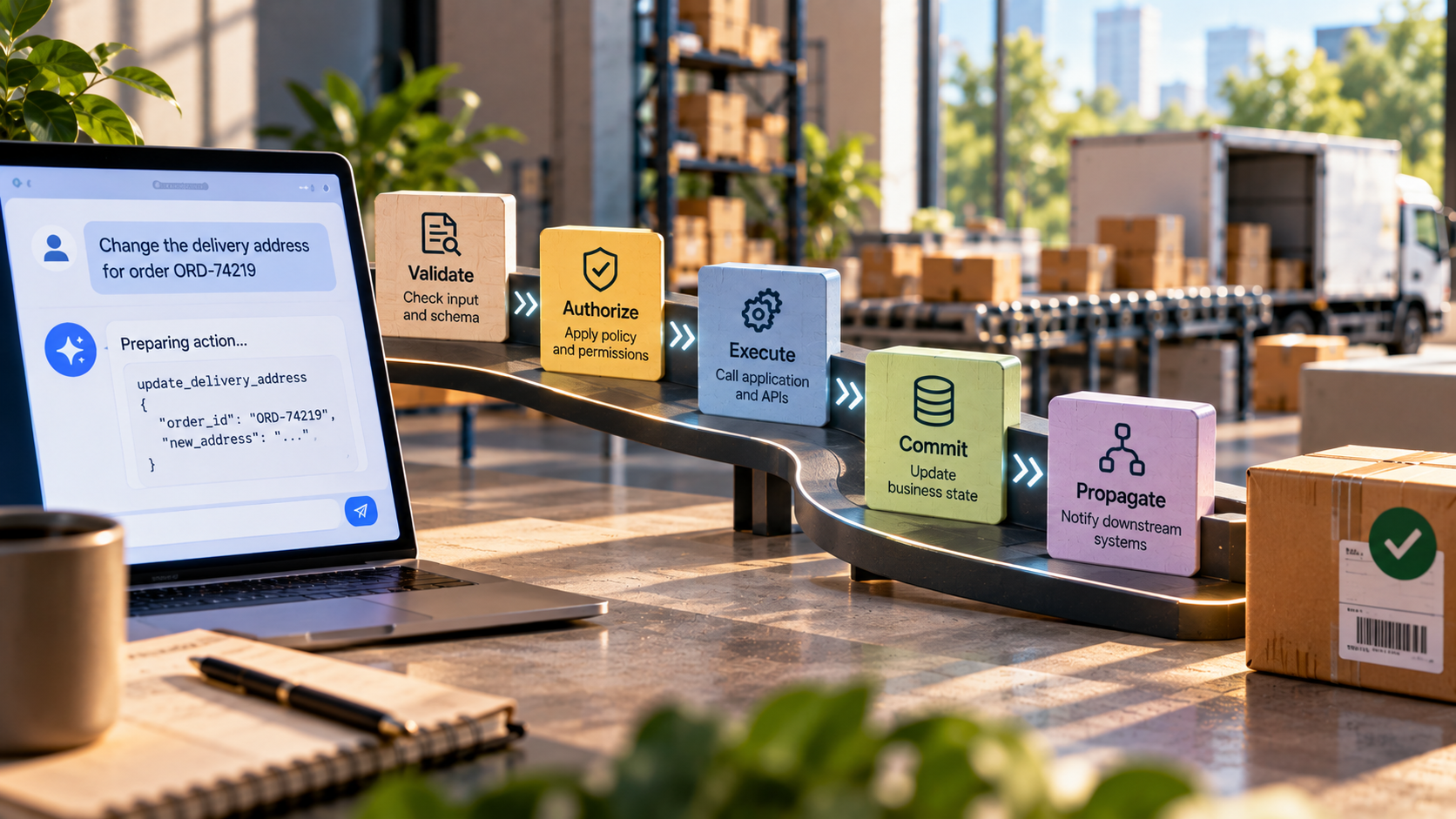
Explore the five areas shaping how enterprise AI is designed, governed, operated and applied across organisations and industries.
Intelligent Automation
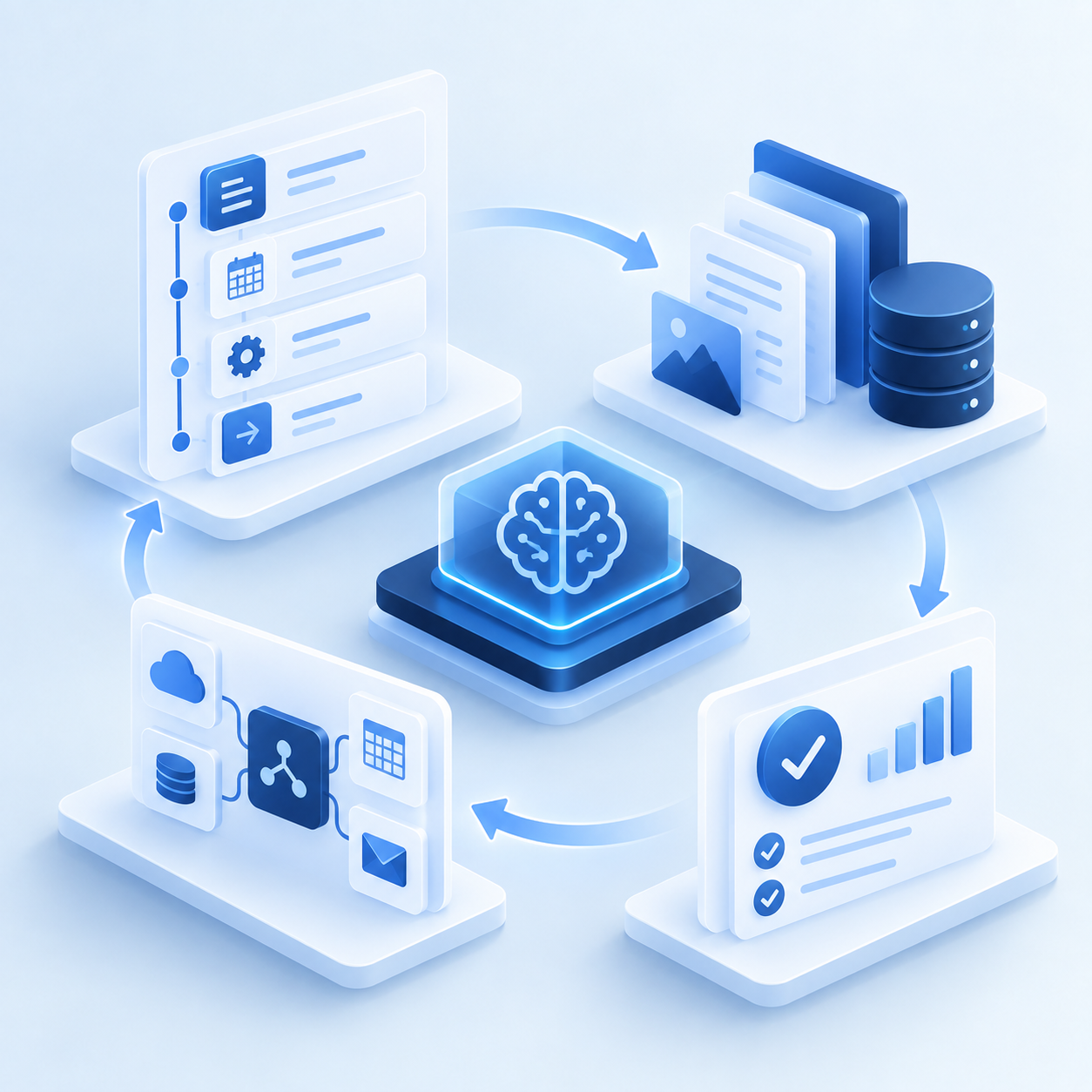
Automation architecture, operating models and controls across RPA, workflows, process intelligence, finance operations and document-heavy processes.
AI Agents & Enterprise AI
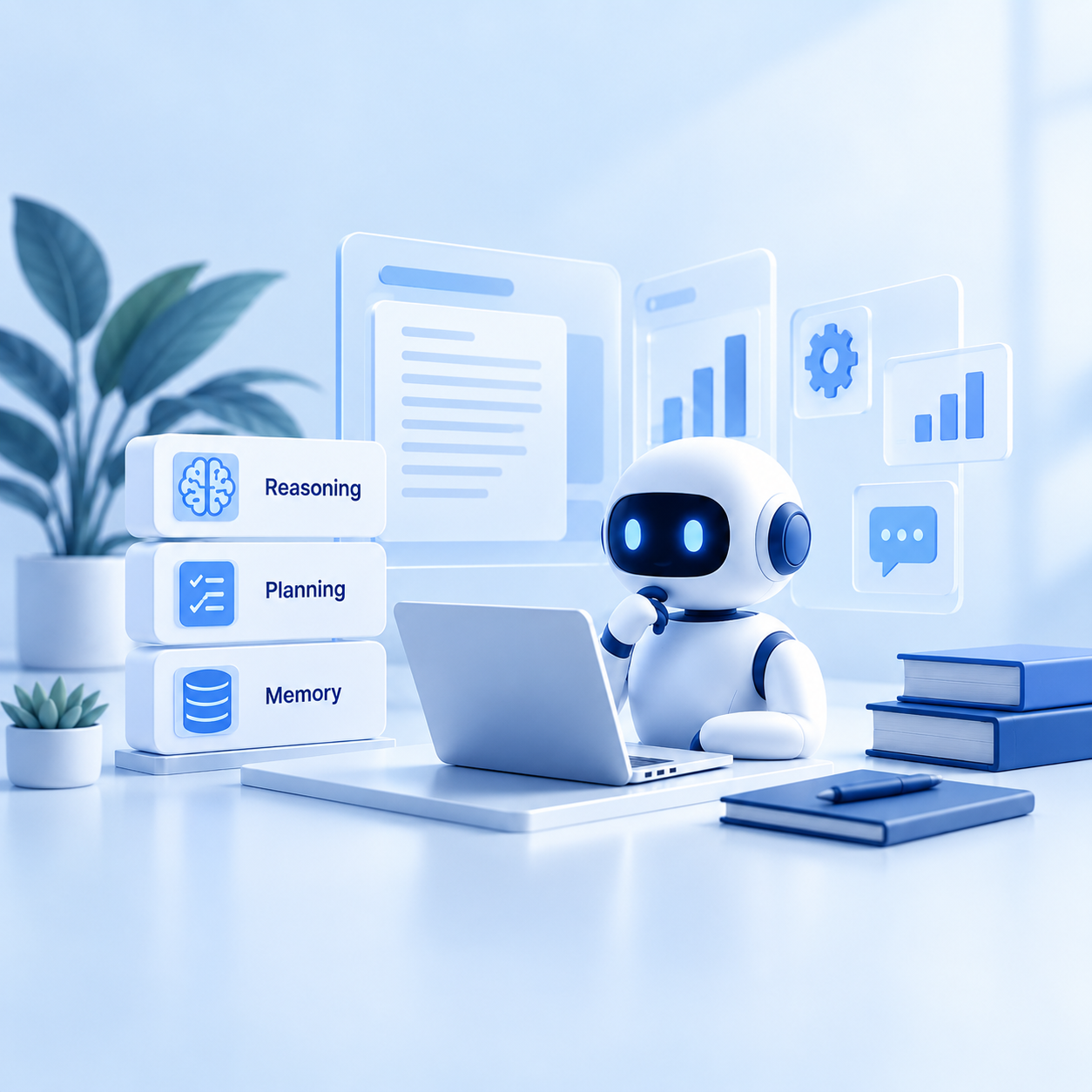
Agent architecture, orchestration, memory and enterprise deployment across systems where software agents coordinate tasks, tools and decisions.
AI Governance, Security & Trust
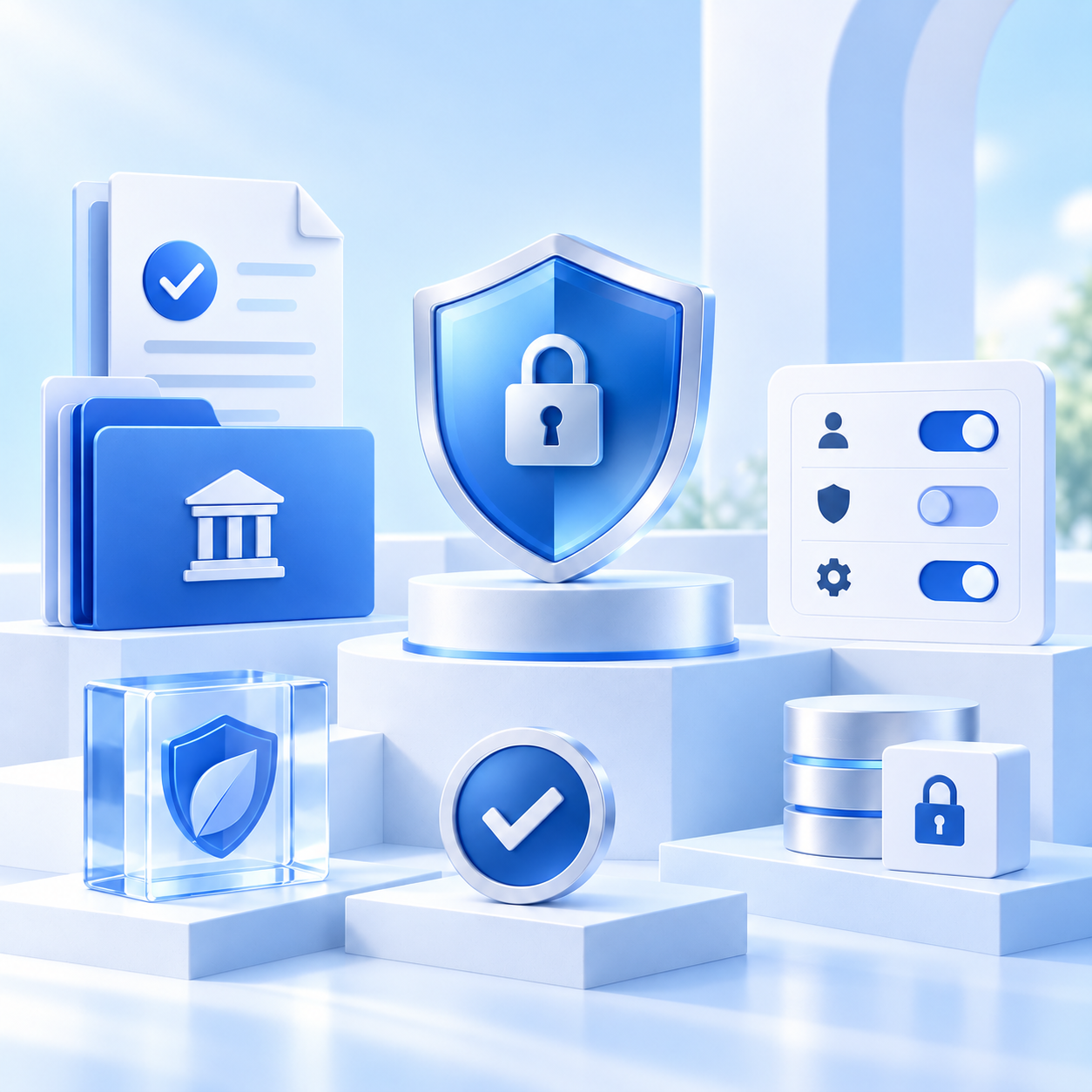
Governance, security and assurance across AI use, data access, permissions, third-party exposure and accountable business operations.
Data, Infrastructure & AI Platforms
Data architecture, infrastructure and platform operations across retrieval, compute, integration, deployment, observability and cost.
AI in Industries
How AI reshapes workflows, operating models and technology decisions across financial services, healthcare, manufacturing, retail, telecom and other sectors.