AI Risk & Governance

AI risk reclassification

An AI System Can Cross a Risk Boundary Without Changing Its Model

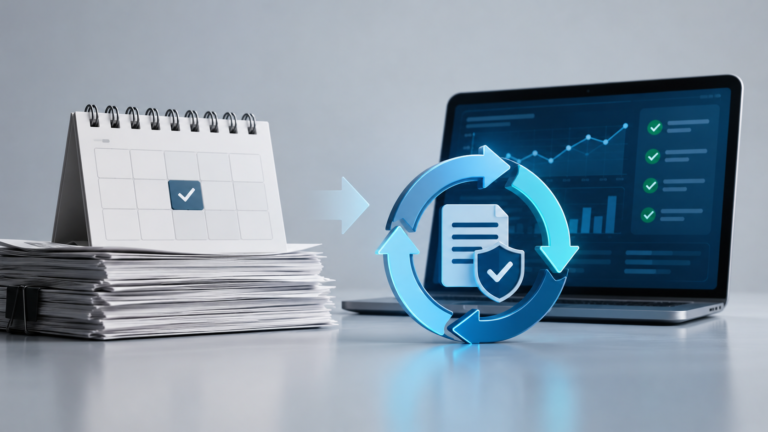
AI risk reclassification should respond to material changes in how an AI system is used, not only to new model releases. See how changes in purpose, population, data, decision consequence and automation can trigger a fresh assessment of whether the existing risk classification and controls still fit.
AI decision audit evidence

The evidence packet behind one governed AI decision

AI decision audit evidence connects the records behind one consequential AI outcome. See how decision identity, source state, model and policy versions, human intervention and committed business action can form a reconstructable evidence packet without duplicating every underlying log.

Who owns an autonomous decision when multiple systems contributed to it?

Multi system AI decision accountability prevents business outcomes from falling between technical owners. See how enterprises can assign a named owner to each decision class while data, model, policy, agent and transaction teams remain accountable for their individual controls.

Agent decision rights should be written before autonomy is granted

AI agent decision rights governance defines which business judgments an agent may make before technical permissions implement that authority. See how discretion, exceptions, consequence, reversibility and escalation can determine where autonomous decision-making ends and human authority remains.

Boards need a control view of AI, not another inventory

Board AI governance control view turns an AI inventory into decision-ready oversight. See how business consequence, control condition, evidence, exceptions, residual risk, trends and management accountability help boards focus on the AI exposures that actually require governance judgment.

Continuous assurance is replacing the annual AI review

Continuous AI assurance framework keeps approval evidence current as models, tools, data, suppliers and operating conditions change. See how scheduled reassessment, material-change triggers and production monitoring can refresh assurance throughout the lifecycle while annual reviews become portfolio-level summaries.