Intelligent Automation

Illustration representing AI document extraction and evidence tracking

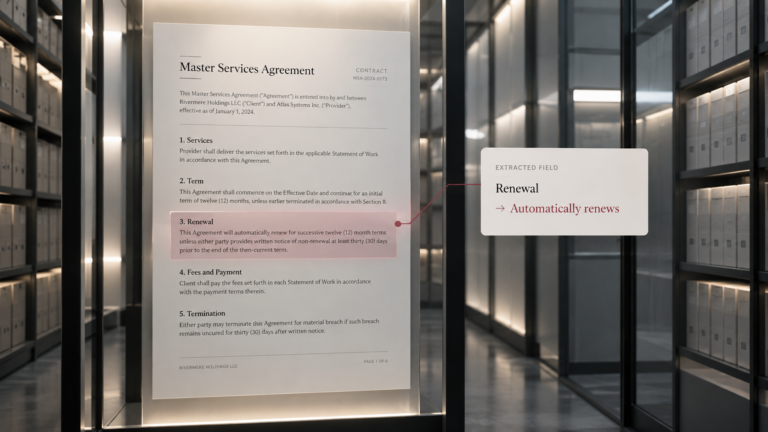
LLM Document Extraction Changes What Counts as Evidence

LLM document extraction evidence trail becomes more important when structured values are inferred rather than copied directly from a page. See how source grounding, extraction method, schema instructions, model identity and configuration state preserve the provenance behind each field.

A Correct Final Record Is Not Enough for Regulated Document Automation

Document automation compliance traceability requires more than a correct final record. See how source values, automated extraction, human corrections, timestamps and retained change history make regulated document processing defensible during audit or inspection.

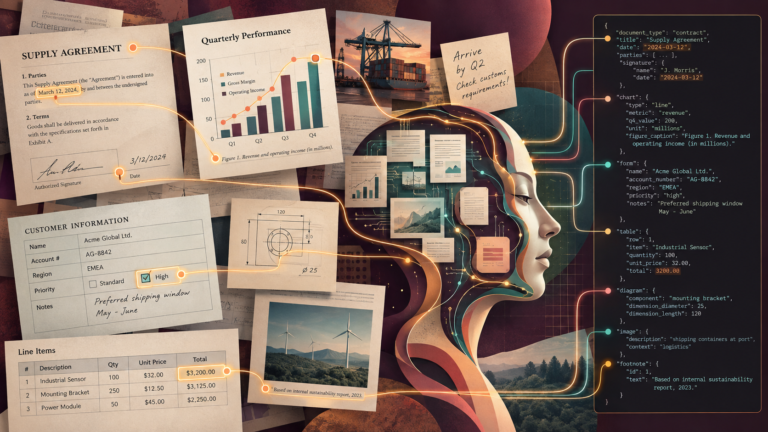
Messy Documents Expose the Real Architecture of an IDP System

IDP architecture for unstructured documents has to handle more than extraction. See how document quality, logical splitting, classification, extraction and stable business schemas keep messy files from turning one bad decision into a downstream processing failure.

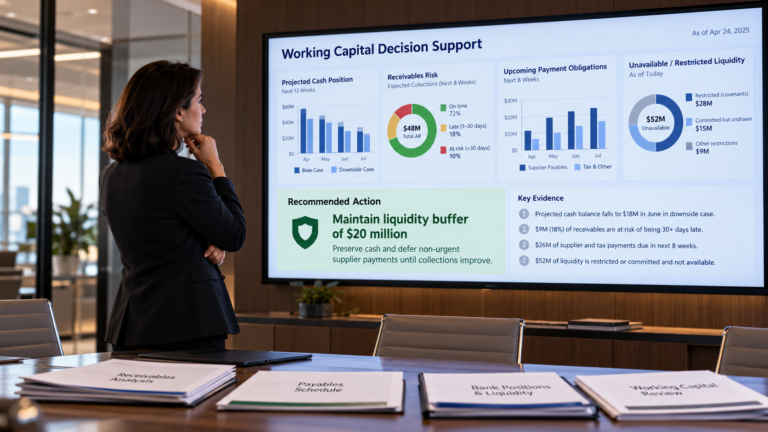
Working-Capital AI Has to Explain the Cash Decision

AI working capital cash decision support connects forecasts to real finance choices. See how transaction drivers, timing, receivables risk, constraints and counterfactuals help explain whether cash should be moved, collected, retained or deployed.

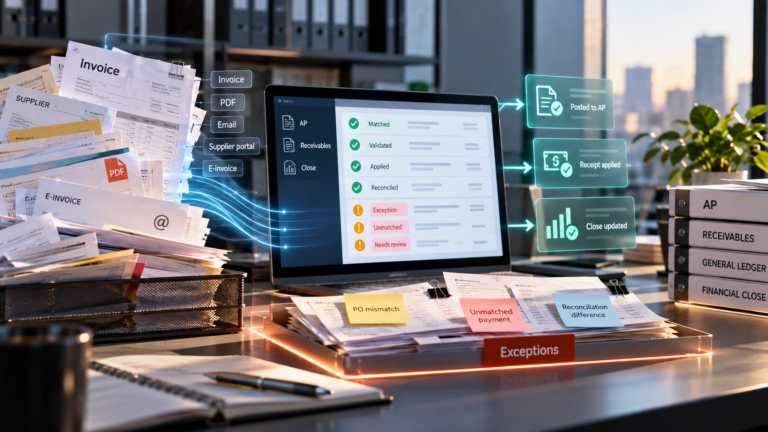
AP, Receivables and Close: Where Finance AI Earns Its Place First

Finance AI AP receivables close automation is strongest where variable information and repetitive exceptions sit inside clearly defined financial processes. See why AP, cash application, collections and close are credible early targets when the underlying system can still constrain or reject the AI’s action.

Finance Needs an Operating Model for Work Performed by Machines

A supervised autonomous finance operating model defines how finance assigns work to machines, where people intervene, how exceptions return to human teams, what evidence autonomous execution must leave behind and who owns changes to the system performing the work.